
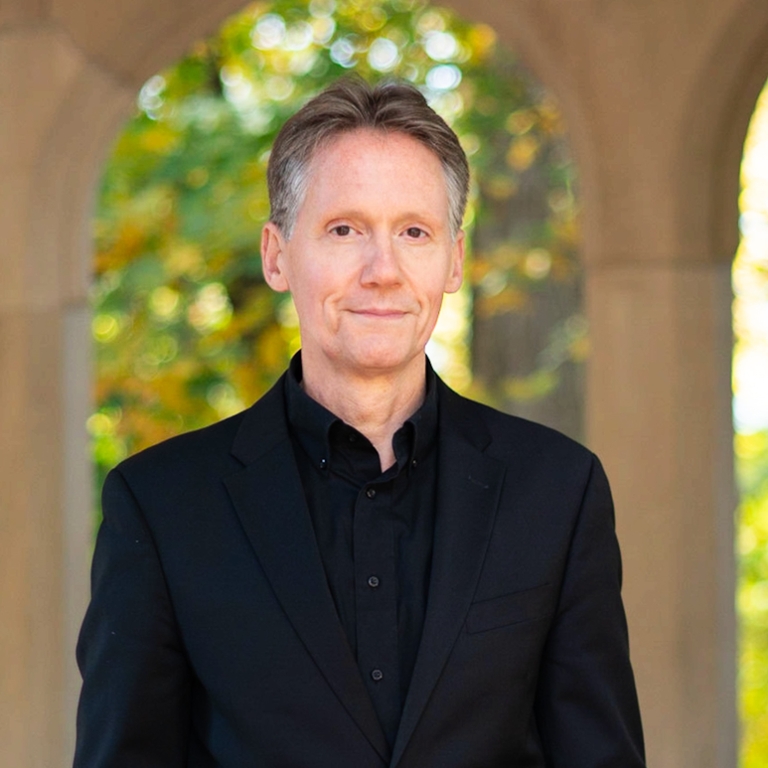
Dana Marsh
Chair, Department of Historical Performance

For more than 40 years, the Jacobs School of Music has offered a field-leading, comprehensive degree program in historical performance, now with a substantial international network of successful and supportive alumni.
In addition to a broad range of curriculum emphases, students can benefit from special learning opportunities beyond the Historical Performance Department via Musicology and Music Theory, each containing faculty with strong interests in historical performance.
Moreover, the entire IU Bloomington campus offers highly valuable interdisciplinary perspectives, whether through the Medieval Studies Institute, Renaissance Studies, Center for Eighteenth-Century Studies, or Department of Folklore and Ethnomusicology.
The Historical Performance program at Jacobs is uniquely positioned on a major research university campus to offer a truly “compleat” experience in historical performance.
For further information, please contact the Admissions Office or our cutting-edge faculty listed below.
The Historical Performance Institute has been the pioneering, leading program of its kind in the United States since we were founded by Thomas Binkley in 1980. Our six full-time and nine part-time faculty have exerted a defining influence on the profession.
You’ll take private lessons with your faculty mentor in voice, recorder, traverso, historical clarinet, cornetto, natural horn, sackbut, viola da gamba, lute and theorbo, historical guitars, harpsichord, fortepiano, and Baroque oboe, bassoon, trumpet, violin, viola, or cello.
Chair, Department of Historical Performance
Professor of Music (Baroque Cello/Viola da gamba)
Adjunct Lecturer in Music (Historical bassoons)
Adjunct Lecturer in Music (Recorder)
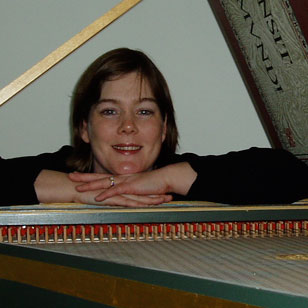
Adjunct Lecturer in Music (Harpsichord)
Adjunct Lecturer in Music (Fortepiano, Harpsichord)
Adjunct Lecturer in Music (Natural Trumpet, Cornetto)
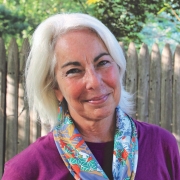
Adjunct Lecturer in Music (Historical Voice Performance)
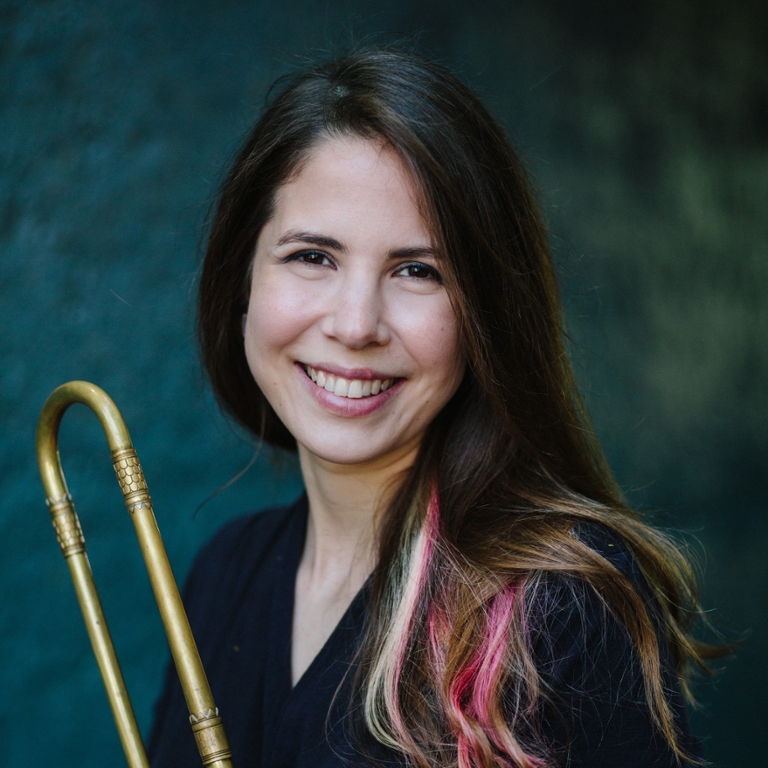
Adjunct Lecturer in Music (Historical Trombones)
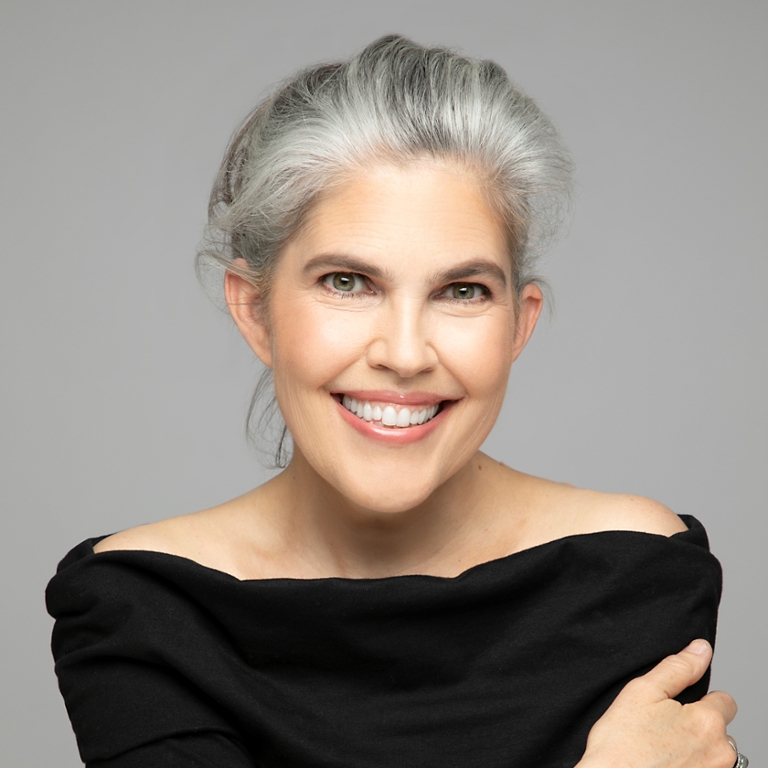
Visiting Associate Professor of Music (Historical Performance: Baroque Violin)
Professor of Music (Lute)
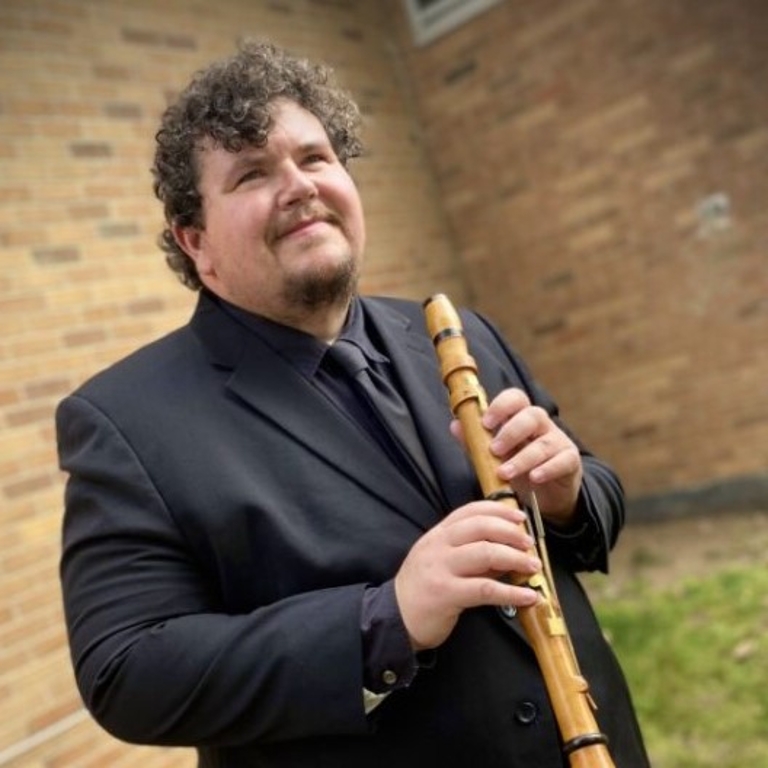
Adjunct Lecturer in Music (Historical Clarinets)
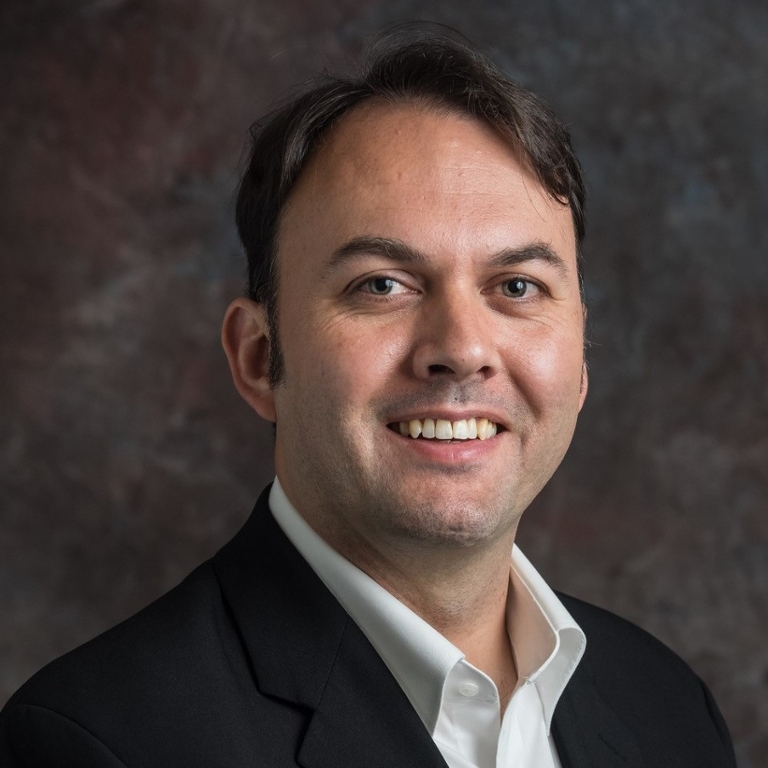
Visiting Assistant Professor of Music (Historical Performance: Historical Keyboards)
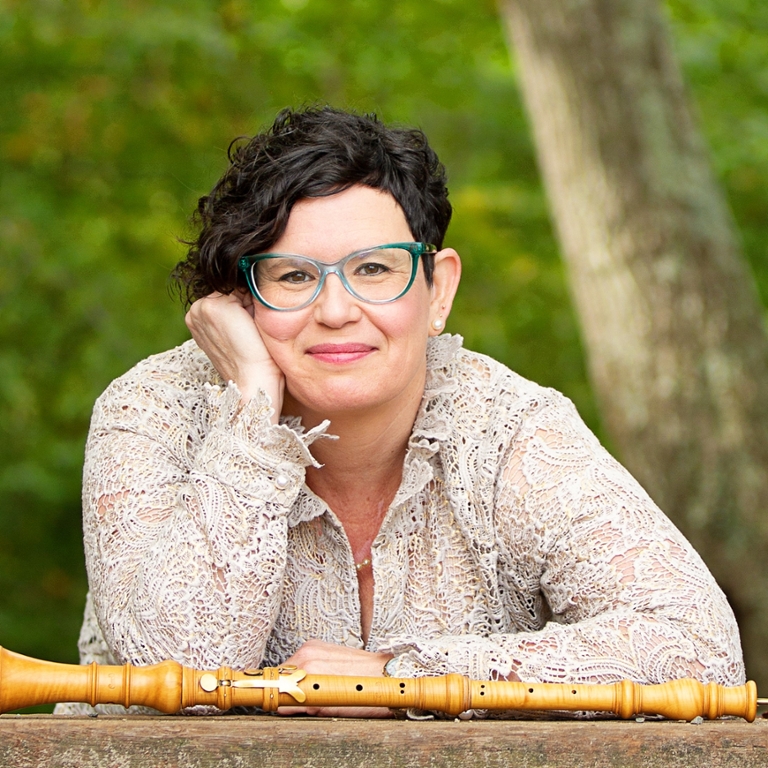
Adjunct Lecturer in Music (Historical oboes)
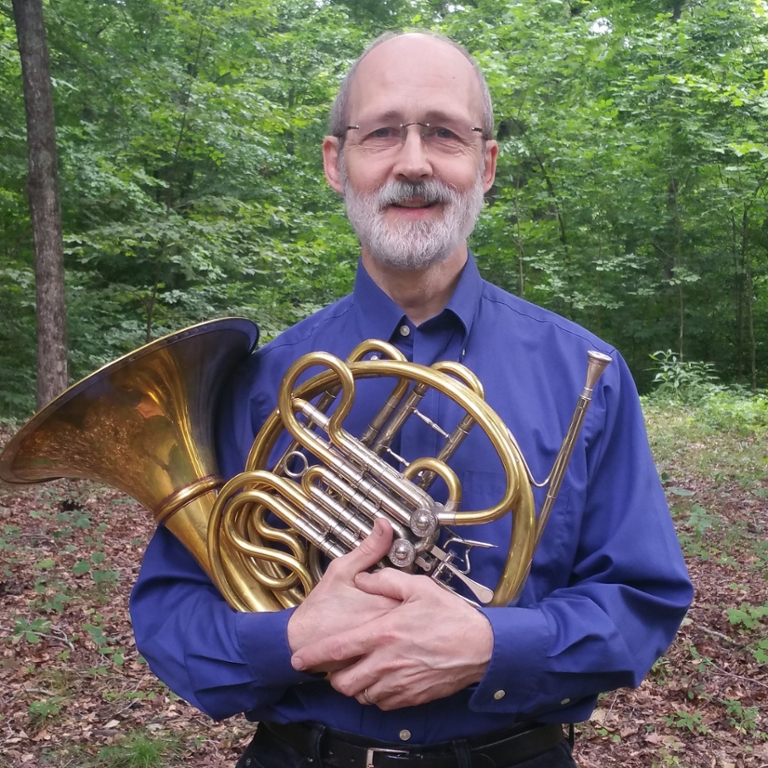
Professor of Music (Horn, Natural Horn)
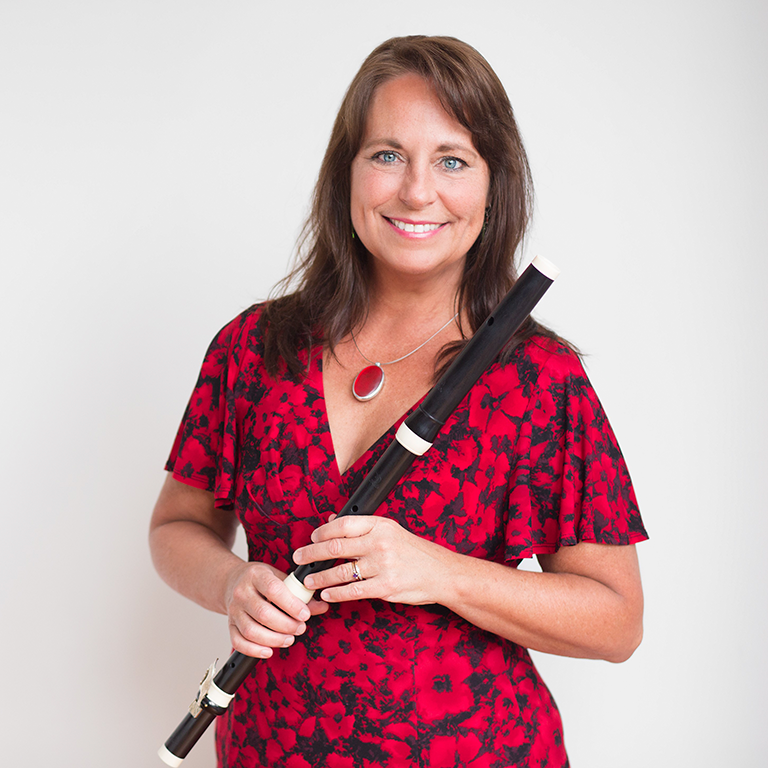
Adjunct Lecturer in Music (Traverso)
Visiting Academic Specialist (Historical Performance: Historical Keyboard Curator)
As a historical performance student, you’ll perform as part of an ensemble throughout your time at Jacobs.
There are seasonal ensemble opportunities open to all music school students, including the Recorder Consort, Viol Consort, and student ad-hoc ensembles. In addition, you can participate in a wide variety of official Jacobs School of Music ensembles, including the Baroque/Classical Orchestra and Concentus.